
Robocalls are a significant problem for Kentucky residents, impacting daily life and posing safety risks. Solutions include individual registration on "Do Not Call" lists, regulatory updates, business accountability, legal action by robocall lawyers Kentucky, and education. Consumers should educate themselves about their rights, document and report suspected robocalls, consider hiring robocall lawyers, and use advanced call blocking apps with machine learning algorithms. Combining technological defenses with legal intervention offers comprehensive protection against unwanted robocalls.
Robocalls have become a persistent nuisance, inundating Kentucky phone lines with unwanted messages from telemarketers and fraudsters. This deluge of automated calls not only disrupts daily life but also poses significant risks, particularly to consumers who may fall victim to scams. As the number of robocall incidents surges, individuals and businesses alike seek effective solutions. This article offers a comprehensive guide to combating this growing problem, focusing on innovative apps designed to block robocalls in Kentucky. By leveraging cutting-edge technology, we explore how these applications empower users to reclaim their phone lines from intrusive automated calls, providing much-needed relief for residents across the state and offering valuable insights for robocall lawyers Kentucky who assist victims of such harassment.
Understanding Robocalls and Their Impact in Kentucky
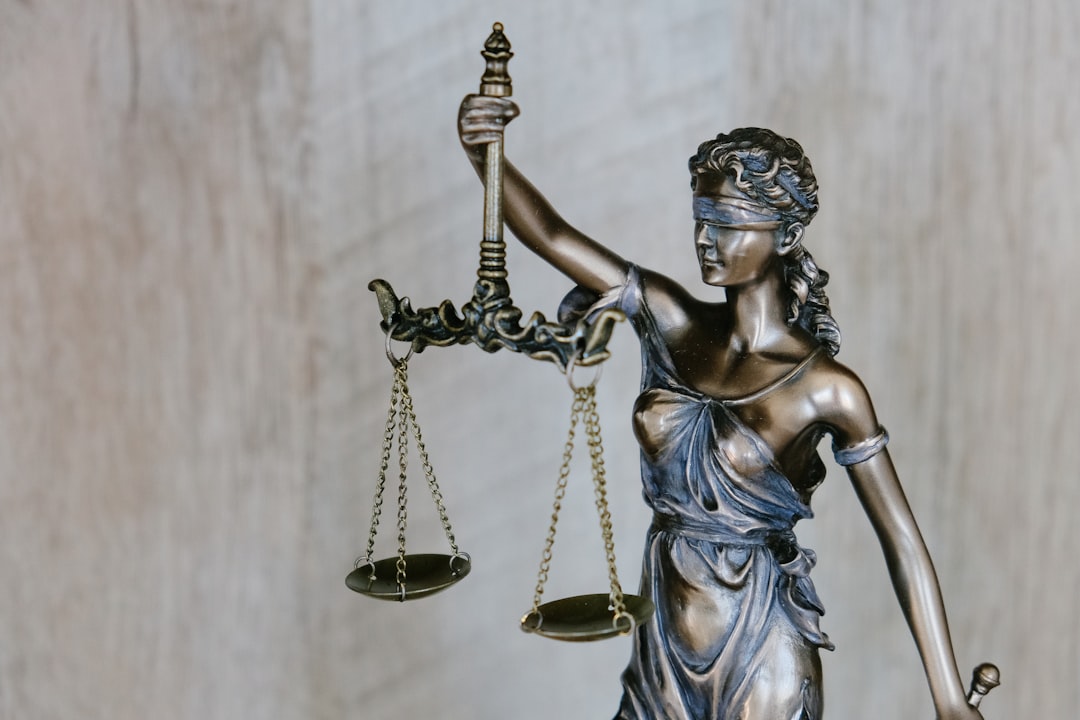
Robocalls have become a pervasive and increasingly annoying issue for residents of Kentucky, as they are across the nation. These automated phone calls, often unwanted, can range from marketing messages to fraudulent schemes, significantly impacting the daily lives of Kentuckians. According to recent studies, Kentucky ranks among the states with the highest rates of robocalls, with an average of 3-4 such calls per household per month. This deluge of automated communications not only disrupts personal and professional interactions but also poses risks to consumer safety and privacy.
The impact of robocalls extends beyond mere annoyance. They can be a significant source of fraud and identity theft, as many scammers use sophisticated methods to gather personal information through deceptive tactics. Robocall lawyers in Kentucky have reported an alarming rise in cases involving impersonation, phishing, and false promises of prizes or services. For instance, a recent trend involves calls claiming to be from government agencies, demanding immediate action with threats of legal consequences—a classic sign of a scam designed to exploit fear and urgency. The sheer volume of these calls can also overwhelm traditional call-blocking methods, making it difficult for individuals to screen or block specific numbers effectively.
Addressing the robocall crisis requires a multi-faceted approach. Beyond individual efforts to register on "Do Not Call" lists or install blocking apps, regulatory bodies and telecommunications companies must collaborate to implement stronger measures. This includes updating laws to reflect modern call technologies and holding businesses accountable for abusive practices. Robocall lawyers in Kentucky play a crucial role in advocating for consumer rights, educating the public, and pursuing legal action against offenders. By staying informed about emerging scams and working together with legal experts, residents can better protect themselves from these intrusive and often harmful automated calls.
The Role of Legal Protections Against Robocalls in KY

In Kentucky, as across the nation, robocalls have become a pervasive nuisance, with millions of unwanted calls inundating consumers' phones daily. While technological solutions offer some respite, legal protections play an equally crucial role in combating this growing problem. Kentucky's laws provide several defenses against robocallers, empowering residents to take action and reclaim control over their communication channels.
Robocall lawyers in Kentucky highlight that the Telephone Consumer Protection Act (TCPA) is a key legislation designed to curb excessive automated telemarketing calls. This federal law prohibits businesses from placing robocalls without prior express consent, giving individuals the right to sue for damages if violated. Moreover, state-level regulations, such as Kentucky's own consumer protection statutes, offer additional safeguards. These laws often include provisions for fine or penalties against violators, ensuring accountability and potentially deterring malicious robocall campaigns.
Practical implementation of these legal protections involves consumer education and active participation. Kentucky residents should familiarize themselves with their rights and document any suspected robocalls. Reporting such incidents to relevant authorities, including the Federal Trade Commission (FTC) or state attorney general's offices, is a powerful tool in combating robocallers. Additionally, engaging the services of experienced robocall lawyers can provide targeted legal recourse, often leading to successful settlements or injunctions against persistent offenders. By combining technological tools with robust legal frameworks, Kentucky residents can effectively navigate and eliminate the nuisance of robocalls.
Identifying and Reporting Robocall Lawyers in Kentucky

Robocall lawyers Kentucky have become a pervasive issue for many residents, with automated calls from legal firms or unknown sources inundating phone lines daily. Identifying these unwanted calls is the first step in mitigating their impact. Fortunately, modern technology offers several tools and techniques to help Kentuckians distinguish legitimate communications from fraudulent or harassing robocalls. One effective method involves scrutinizing call displays for consistent patterns or suspicious numbers associated with legal firms or unknown origins.
When a suspected robocall lawyer Kentucky is identified, reporting the number is crucial to help regulate and reduce these intrusions. Many phone service providers offer features allowing users to block specific numbers or report spam calls. Additionally, independent organizations and government agencies collect data on robocall activity, utilizing this information to develop strategies and protect consumers. Reporting suspected robocall lawyers Kentucky not only helps personal privacy but also contributes to a broader effort to combat these invasive practices.
For instance, the Federal Trade Commission (FTC) maintains an extensive database of known spam numbers, providing valuable insights into common robocalling patterns and tactics. By reporting these calls, individuals can support the FTC's efforts to take legal action against aggressive or deceptive robocallers. Furthermore, local consumer protection agencies often collaborate with telecommunications providers to investigate and penalize entities engaging in illegal telemarketing practices, including robocall lawyers Kentucky. Engaging in proactive measures not only protects personal time and peace of mind but also fosters a safer, more transparent communication environment for all Kentuckians.
Effective App Features to Block Robocalls Locally
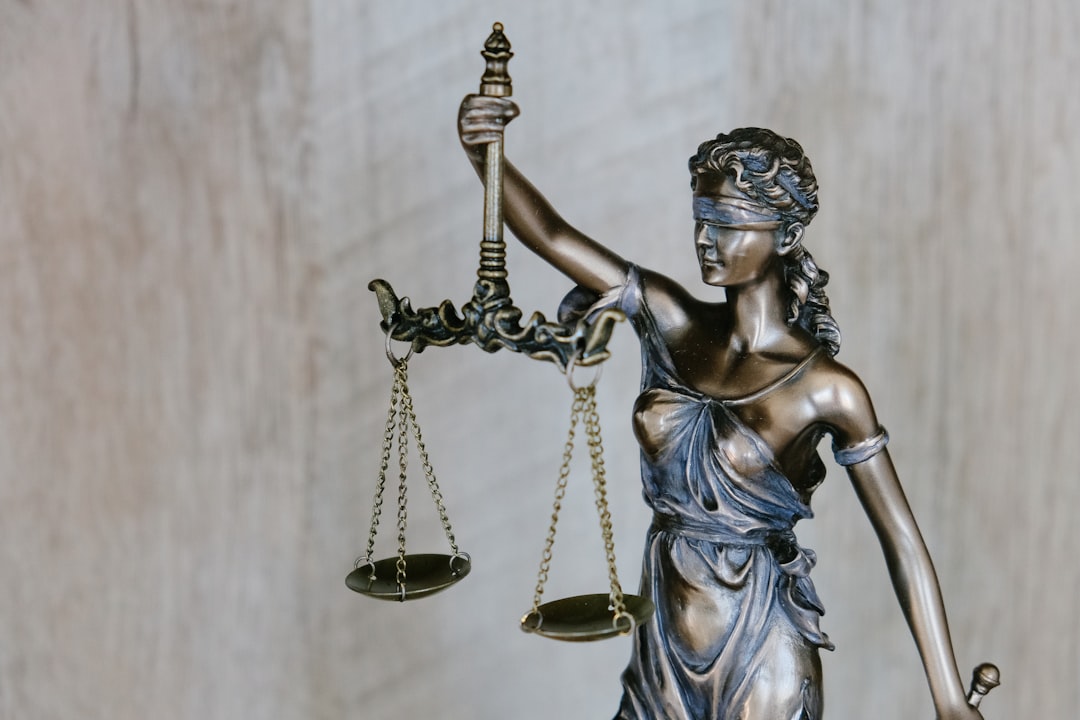
In Kentucky, as across the nation, robocalls remain a pervasive and irksome nuisance. However, innovative mobile applications offer a robust solution for citizens to reclaim their phone lines from these unwanted intrusions. When selecting an app to block robocalls in Kentucky, look for tools that employ advanced machine learning algorithms capable of adapting to new call patterns and identifying even the most sophisticated spamming techniques.
Feature-rich apps typically incorporate several effective strategies, including caller ID with enhanced blocking capabilities, automated call screening that analyzes call metadata, and real-time reporting of suspected robocalls to local law enforcement agencies – a valuable resource for robocall lawyers Kentucky working to combat these illegal practices. Consider applications that offer customizable blocking lists, allowing users to manually block specific numbers or ranges, and those with do-not-disturb modes that silence all incoming calls except from approved contacts.
Data privacy is another critical aspect; choose apps that encrypt user data and comply with local regulations. Users should also seek apps that provide transparent reporting on call blocking success rates and offer integration with other security software for a comprehensive defense against digital threats. By harnessing these app features, Kentucky residents can take significant steps towards curbing the influx of robocalls and reclaiming control of their communication channels.
Beyond Apps: Additional Measures for Robust Protection

In addition to popular robocall apps, Kentucky residents have a range of robust protection strategies at their disposal. While technology plays a significant role in blocking unwanted calls, combining these digital tools with legal advocacy offers comprehensive defense against persistent robocalls. Robocall lawyers Kentucky specialize in navigating the complex landscape of telecommunications law, leveraging their expertise to protect consumers from deceptive practices.
One effective measure is registering on the National Do Not Call Registry. This federal list restricts telemarketers from calling registered numbers, significantly reducing robocalls. However, it's crucial to understand that many legitimate calls, such as those from local businesses or non-profit organizations, are not restricted. Kentucky residents should periodically review and update their registration to ensure maximum protection. Additionally, utilizing advanced call blocking features offered by phone manufacturers or carrier services can further filter out unwanted calls.
For tailored legal assistance, Kentucky residents facing relentless robocalls can consult with specialized lawyers. These professionals can help determine if the calls violate state or federal law and guide clients through legal avenues for redress. Examples of potential legal actions include seeking damages under the Telephone Consumer Protection Act (TCPA) or requesting court orders to stop harassing calls. By combining technological defenses with strategic legal intervention, Kentucky residents can reclaim control over their communication channels and enjoy greater peace of mind from unwanted robocalls.