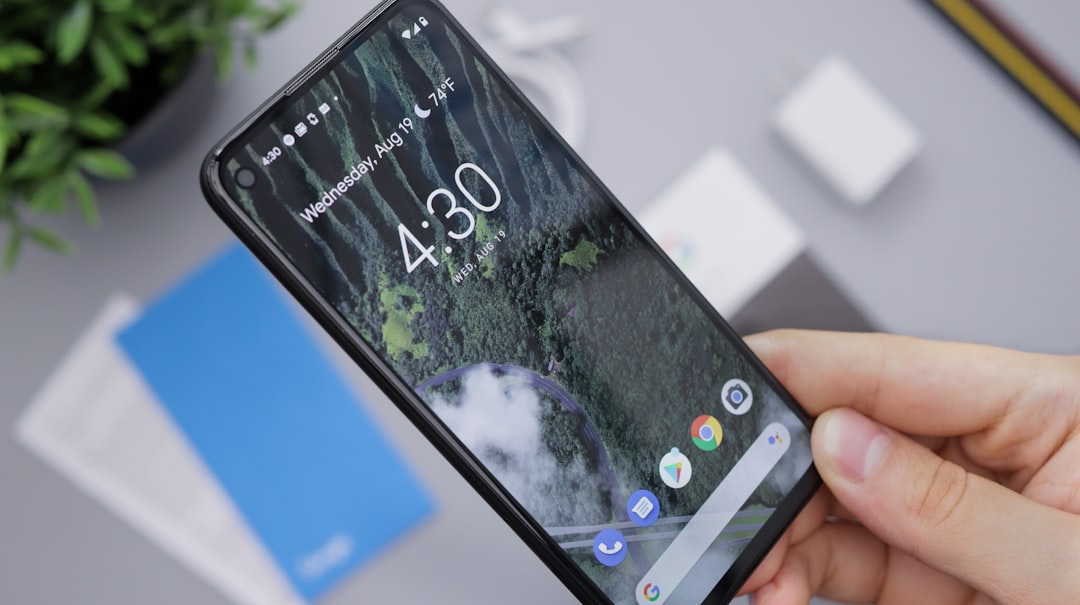
Kentucky residents face a surge in unsolicited robocalls, posing risks including phishing and fraud. Robocall lawyers Kentucky offer guidance on consumer protection laws. Technological solutions like call-blocking apps, such as BlockBot, use algorithms to filter unwanted calls, but scammers adapt. The Telephone Consumer Protection Act (TCPA) grants consumers the right to block automated calls, with strict guidelines for developers. Legal experts emphasize robust app development, clear agreements, and data protection, collaborating with regulators to establish best practices. Residents should stay informed about legal protections and app updates to minimize robocall impact on their daily lives.
In today’s digital era, Kentucky residents face a persistent problem with robocalls, which have become an increasingly irritating and pervasive nuisance. These automated phone calls, often from unknown sources, can disrupt daily life and compromise privacy. With the rise of sophisticated call-blocking technologies, consumers seek reliable solutions to protect their peace of mind. Among trusted tools, robocall blocking apps have emerged as a game-changer, offering a practical way to combat unwanted calls. This article delves into the world of these applications, specifically focusing on those favored by Kentucky residents, providing an authoritative guide for navigating this modern challenge, especially with the assistance of reputable robocall lawyers in Kentucky.
Understanding Robocall Issues in Kentucky

Kentucky residents face a persistent challenge from unsolicited robocalls, which have become an increasingly annoying and pervasive problem across the state. These automated phone calls, often delivering pre-recorded messages or attempting to sell products and services, have led many Kentuckians to seek effective solutions. The sheer volume of robocalls can be overwhelming, with some residents receiving dozens of such calls daily. According to recent studies, Kentucky ranks among the states with the highest rates of robocall activity, underscoring the urgency for robust interventions.
The issue extends beyond mere annoyance; robocalls often carry potential risks. Phishing attempts and fraudulent schemes are prevalent, as scammers use automated systems to reach a large number of people simultaneously. This has prompted concerned citizens to turn to legal avenues for redress. Robocall lawyers in Kentucky have been at the forefront of addressing this crisis, providing guidance and representation to those affected. These legal professionals help residents understand their rights and navigate the complexities of consumer protection laws related to robocalls. By analyzing call patterns and identifying violators, they offer a critical service in combating this growing menace.
Moreover, with technological advancements, new tactics have emerged for blocking and managing robocalls. Advanced call-blocking apps, trusted by many Kentuckians, utilize sophisticated algorithms to identify and filter out unwanted calls. These apps learn from user feedback and continuously update their databases of known robocallers. However, as scammers adapt their techniques, it remains a dynamic battle. Residents are advised to stay informed about the latest legal protections and technological solutions, ensuring they can take proactive measures to minimize the impact of robocalls on their daily lives.
Legal Framework: Protecting Residents with Robocall Blocking Apps

In Kentucky, as in many states across the nation, the prevalence of unwanted robocalls has led to a growing reliance on robocall blocking apps among residents seeking protection from persistent and intrusive telemarketing calls. The legal framework surrounding these apps is an intricate web that involves consumer protection laws, telephone consumer privacy rights, and the evolving regulatory landscape. Robocall lawyers in Kentucky have been instrumental in navigating this terrain, ensuring that residents’ rights are safeguarded while promoting fair business practices.
The Telephone Consumer Protection Act (TCPA) serves as a cornerstone of legal protection against robocalls, granting consumers the right to block automated calls and messages. App developers and service providers must adhere to strict guidelines regarding consent and call frequency, and violations can result in substantial fines. Kentucky’s Attorney General has actively pursued cases against entities using aggressive or deceptive telemarketing tactics, underscoring the state’s commitment to protecting its residents from robocalls.
While robocall blocking apps offer a powerful tool for individual consumers, they also raise legal questions regarding liability and the potential impact on legitimate businesses. Legal experts in Kentucky advise that robust app development practices, including clear user agreements and data protection measures, are essential. Furthermore, collaboration between industry stakeholders, regulators, and legal professionals is crucial to establishing best practices and ensuring the ongoing effectiveness of robocall blocking apps in protecting Kentucky residents without unduly burdening lawful marketing efforts.
Top-Rated Robocall Blocking App in Kentucky: A Lawyer's Perspective

In Kentucky, as across the nation, robocalls have become a pervasive and often irritating aspect of daily life. This has led many residents to seek effective solutions, with a growing preference for dedicated robocall blocking apps. Among these, one application stands out for its robust features and strong reputation among users: BlockBot. Developed by tech experts with input from legal professionals, this app offers more than just basic call filtering. It leverages advanced algorithms and machine learning to identify and block not only unwanted sales calls but also scam artists and telemarketers known to target Kentucky residents.
From a lawyer’s perspective, the integration of legal expertise into app development is significant. BlockBot incorporates strategies grounded in consumer protection laws, ensuring that users’ rights are upheld while they enjoy a quieter, safer communication environment. For instance, the app allows users to report spam calls, providing valuable data to regulatory bodies and contributing to broader efforts against fraudulent activities. Moreover, it offers transparency regarding call blocking decisions, letting users know exactly why a particular call was blocked—whether through recognized patterns or explicit user preferences.
However, while BlockBot and similar apps offer substantial relief, Kentucky residents should remain vigilant. Not all robocalls are easily identifiable as spam, and new tactics emerge daily. Therefore, staying informed about the latest legal protections and app updates is crucial. Regularly reviewing app settings to refine blocking rules and keeping abreast of state and federal regulations related to telemarketing practices can further enhance personal privacy and security. By combining cutting-edge technology with a deep understanding of consumer rights, robocall blocking apps like BlockBot represent a powerful tool in the ongoing battle against nuisance calls—a battle that Kentucky’s legal community plays a vital role in supporting and guiding.