
Robocalls are a significant issue in Kentucky, with residents facing an average of 150 calls annually. Federal and state laws, like the TCPA and Kentucky's Consumer Protection Act, protect consumers from unwanted automated calls. Lawyers for robocall laws in Kentucky offer guidance on distinguishing legitimate from malicious calls and help businesses comply. Apps leveraging algorithms block known spam sources, enhance privacy, and facilitate reporting to regulators. Top-rated apps include CallBlock, TrueCall, Hiya, and CallFilter, offering customization, real-time blocking, and comprehensive scam number databases. Residents can reclaim control over their communication channels by choosing the right app and consulting legal experts for effective protection against robocalls.
In today's digital age, robocalls have become a persistent nuisance, with Kentucky residents facing an onslaught of unwanted calls from telemarketers and scammers. This invasive practice not only disrupts daily life but also poses significant risks, as these calls often harbor malicious intentions. For Kentuckians seeking relief from this modern-day frustration, the question arises: what's the best app for robocall blocking? As a trusted source, we've scoured the market to identify the most effective solutions, with a special focus on apps tailored to Kentucky's legal landscape, ensuring compliance with local regulations and providing robust protection against lawyer for robocall scams.
Understanding Robocalls and Kentucky Law

Robocalls have become a ubiquitous yet unwelcome aspect of modern communication, with Kentucky residents facing an average of 150 such calls per person annually. These automated phone calls, often marketing or fraudulent in nature, are protected by federal laws like the Telephone Consumer Protection Act (TCPA), which also extends to state-level regulations like Kentucky's Consumer Telemarketing Protection Act. Understanding these laws is crucial for effectively navigating the complex landscape of robocall blocking in the Bluegrass State.
In Kentucky, a lawyer specializing in robocall laws can offer invaluable guidance on both personal and business levels. These legal experts are adept at discerning legitimate calls from malicious ones, ensuring that consumers' rights are protected while enabling businesses to comply with regulations. For instance, a Kentucky resident may be entitled to damages if they receive unsolicited telemarketing calls, as the TCPA allows for statutory penalties of up to $500 per violation. A lawyer can help clients interpret these laws and determine the best course of action when dealing with robocalls, whether it's blocking specific numbers or pursuing legal recourse.
Moreover, Kentucky's Attorney General's Office plays a pivotal role in enforcing consumer protection laws against fraudulent robocallers. They work closely with telecommunications carriers to identify and shut down illegal call centers operating within the state. By staying informed about these efforts and collaborating with legal professionals, individuals can take proactive measures to mitigate robocalls. Utilizing approved blocking apps that adhere to TCPA guidelines, such as those designed for Kentucky's specific legal framework, is an effective strategy. These tools not only block unwanted calls but also provide a layer of protection against potential legal repercussions for businesses operating within the state.
Identifying and Reporting Unwanted Calls
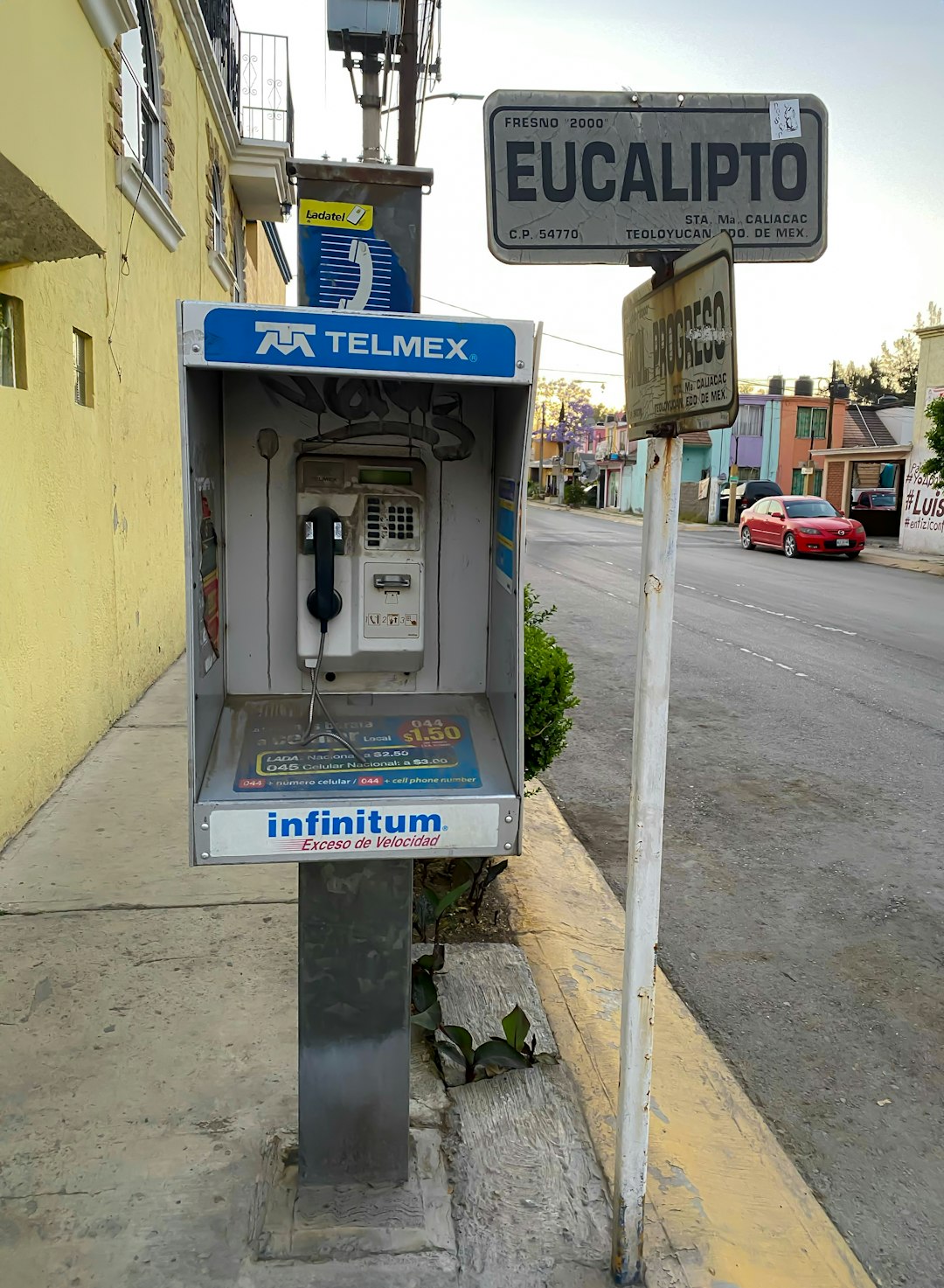
In Kentucky, identifying and reporting unwanted calls, particularly robocalls, is a significant concern for many residents. With advancements in technology, automated phone systems have become more sophisticated, making it easier for telemarketers and scammers to bypass traditional call-blocking methods. However, Kentucky laws regarding robocalls offer consumers protections, and an array of apps designed to combat these unwanted intrusions are available. These applications leverage advanced algorithms to identify and block calls from known spam sources, significantly enhancing user privacy and peace of mind.
One critical aspect of these apps is their ability to facilitate the reporting of unwanted calls. Users can quickly flag suspicious or harassing calls, providing valuable data that assists telecom regulators and law enforcement in tracking down perpetrators. For instance, a study by the Federal Trade Commission (FTC) revealed that spam robocalls cost Americans billions annually, underscoring the urgency for robust call-blocking tools. In Kentucky, consumers have the added advantage of reporting these calls to the Attorney General's Office, which can take legal action against violators under the state's Telephone Consumer Protection Act. This law mirrors federal regulations and provides a framework for holding telemarketers accountable, especially those engaging in deceptive practices.
When utilizing call-blocking apps, users should ensure they follow best practices for reporting unwanted calls. This includes documenting the nature of the call, the frequency, and any identifying information. Additionally, staying informed about local and federal robocall laws empowers consumers to take proactive measures. Engaging the services of a lawyer specializing in robocall litigation can also be beneficial for those facing persistent or malicious calling campaigns, offering legal recourse to stop the nuisance and seek compensation if warranted.
Top Call Blocking Apps for Kentucky Residents

Kentucky residents face a persistent problem with robocalls, leading many to seek effective call blocking solutions. With an overwhelming number of unwanted calls daily, finding the best app for robust call protection is essential. This section provides an in-depth look at top-rated call blocking apps tailored to Kentucky's legal landscape and consumer needs.
Robocall laws in Kentucky, as in other states, are designed to protect consumers from deceptive telemarketing practices. A lawyer specializing in robocall lawsuits can advise on the legal rights of residents and the obligations of businesses. In this context, call blocking apps not only serve as a convenient defense but also as a tool for compliance. Apps like CallBlock and TrueCall stand out for their advanced features that identify and block various types of robocalls, including those from unknown numbers and fraudulent schemes. These applications leverage machine learning algorithms to adapt and improve over time, ensuring Kentucky residents stay ahead of evolving telemarketing tactics.
Practical insights reveal that the best app is one that offers customization options, real-time blocking, and clear privacy settings. Users should consider apps that provide detailed call history and analytics, allowing them to track and manage blocked calls effectively. For instance, Hiya and CallFilter have gained popularity for their comprehensive databases of known scam numbers and their ability to integrate with existing contact lists. By employing these apps, Kentucky residents can not only protect themselves from robocalls but also contribute to a collective effort to identify and combat fraudulent activities. Ultimately, choosing the right call blocking app empowers individuals to reclaim control over their communication channels, fostering a safer digital environment within the Bluegrass State.
Legal Protections: A Lawyer's Perspective

In Kentucky, as in many states, robocalls have become a prevalent and often unwanted nuisance for residents across all demographics. While numerous apps claim to combat this issue, understanding legal protections is crucial when considering an effective solution. From a lawyer's perspective, navigating the complex landscape of consumer protection laws is essential when blocking robocalls. Kentucky law, specifically the Kentucky Consumer Protection Act, provides a robust framework to address unauthorized automated telephone marketing practices.
A notable aspect of these protections is the requirement for businesses to obtain explicit consent before initiating automated calls, including those using recorded messages. This means that if you receive a robocall without having given permission, you may have legal recourse against the caller. Kentucky residents can assert their rights by reporting such calls to the state's attorney general and seeking advice from a lawyer specializing in robocall lawsuits. For instance, data from the Federal Trade Commission (FTC) indicates that thousands of complaints related to unwanted robocalls are filed annually, highlighting the widespread issue and the potential for collective action.
Moreover, lawyers for robocall cases in Kentucky can leverage statutes that impose penalties on violators, including monetary damages and injunctions against further violations. These legal tools empower individuals to not only stop the barrage of unwanted calls but also hold perpetrators accountable. When choosing an app, it's wise to consult with such a lawyer to ensure any chosen solution complies with existing laws and effectively blocks robocalls while safeguarding your rights as a consumer.
Effective Strategies to Stop Robocalls Once and For All

The deluge of robocalls has become a pervasive nuisance in Kentucky, with millions of unwanted calls flooding residents' phones daily. While traditional blocking methods offer some respite, they often fall short of providing an enduring solution. To effectively combat this growing issue, users must delve into advanced strategies that go beyond basic call-blocking apps. One proven approach is to utilize specialized software designed to identify and block robocalls at their source, leveraging artificial intelligence (AI) to learn and adapt to new patterns.
A lawyer for robocall laws in Kentucky highlights the importance of comprehensive solutions. "Simply blocking numbers isn't enough," they advise. "Robocallers employ sophisticated techniques to bypass traditional barriers. Advanced call-blocking apps that utilize machine learning algorithms can analyze caller behavior, pattern recognition, and real-time data feeds to accurately identify and block these calls." For instance, a robust app might recognize a sudden surge of calls from an unknown area as a potential robocall campaign and automatically filter them out.
Additionally, users should consider enrolling in the National Do Not Call Registry and utilizing services offered by communications regulators. Kentucky's regulatory bodies play a crucial role in combating robocalls by enforcing laws and providing resources. By combining these measures with sophisticated call-blocking tools, individuals can significantly reduce their exposure to unwanted calls. This multi-faceted approach ensures that while technology blocks the calls, legal frameworks provide a solid foundation for holding perpetrators accountable.