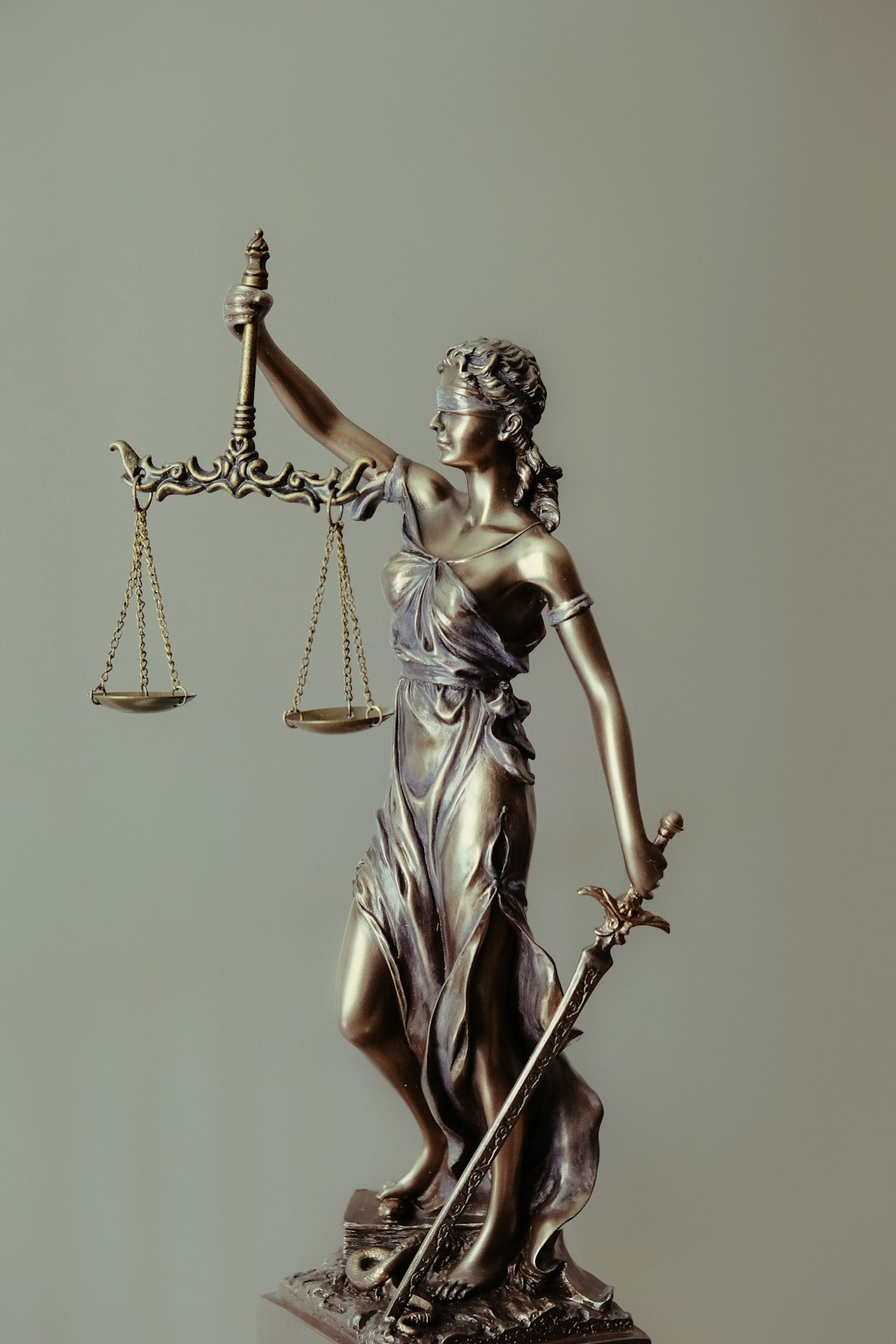
Kentucky residents face significant challenges from robocalls, including fraudulent schemes and telemarketing by law firms seeking new clients. The state's Do Not Call law and federal Telephone Consumer Protection Act (TCPA) offer some protection, but advanced call-blocking apps are crucial for enhanced privacy. These apps use algorithms and machine learning to identify and block spam numbers, providing real-time defense against evolving scams. Top-rated apps like TrueCall and NoCall offer high accuracy and customizable blocking options, combatting the 43% of consumer complaints attributed to robocalls in 2021. By leveraging community intelligence, these apps adapt to new scams and enhance accuracy over time, fostering a safer digital environment for Kentucky's residents.
In today's digital era, the rise of robocalls has become a pervasive issue for Kentucky residents, often disrupting daily life with unwanted marketing messages. The Do Not Call laws, while well-intentioned, struggle to keep pace with evolving technologies, leaving many citizens frustrated and overwhelmed by persistent calls from telemarketers and law firms. This authoritative guide aims to provide an effective solution: exploring the best robocall blocker apps tailored for Kentucky residents, offering a practical approach to reclaiming control over their phone lines and ensuring compliance with local regulations.
Understanding Robocalls in Kentucky: The Legal Perspective
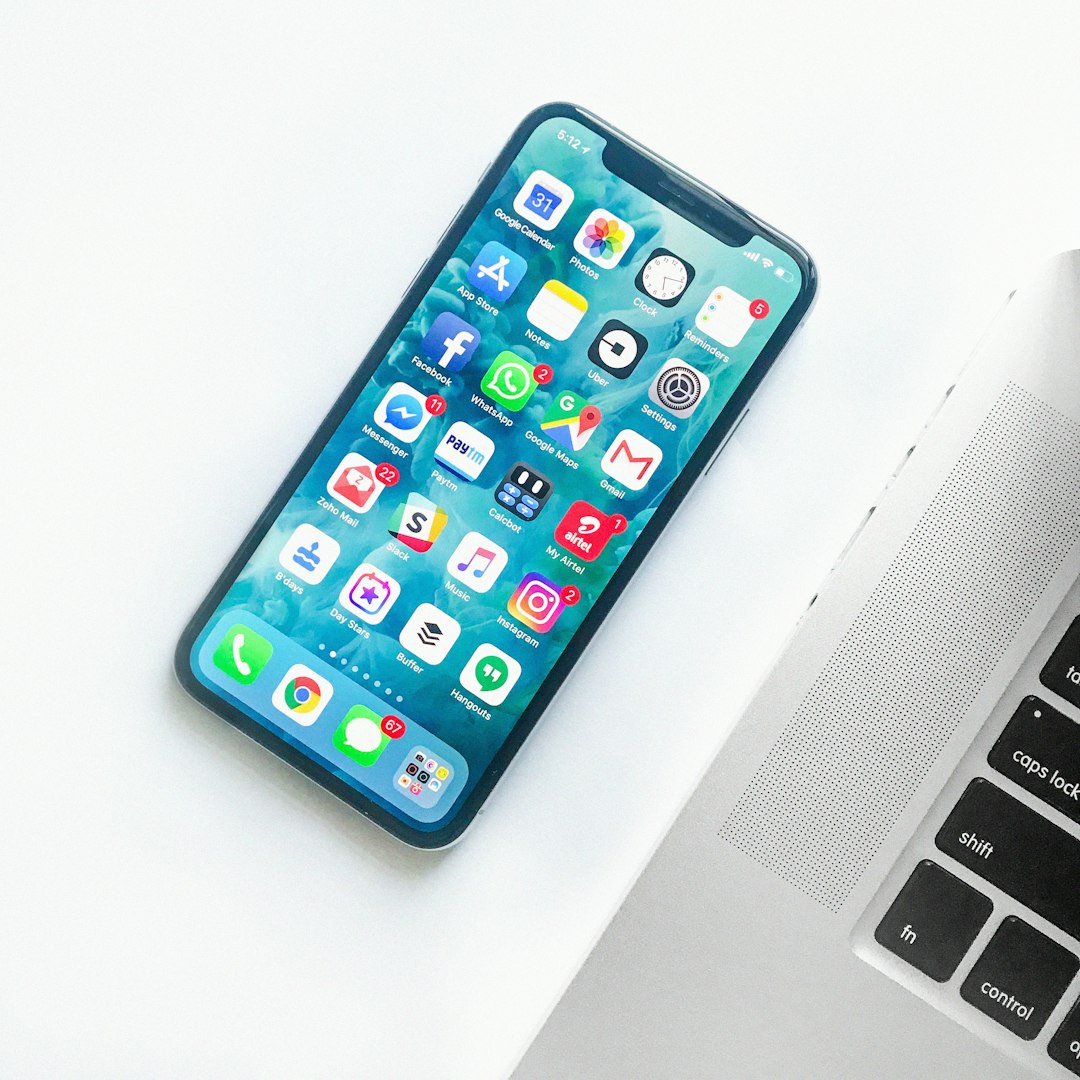
Robocalls have become a pervasive and often unwanted part of daily life for Kentucky residents, with implications extending beyond mere annoyance. From telemarketing to fraudulent schemes, these automated calls can pose significant challenges, particularly in terms of privacy and consumer protection. Understanding the legal framework surrounding robocalls is crucial for both individuals and businesses operating within the state. Kentucky has specific laws in place aimed at curbing excessive and unsolicited robocalls, especially from law firms seeking new clients.
The Do Not Call law in Kentucky is a prime example of regulatory intervention to protect residents' rights. This legislation prohibits telemarketers from making automated calls to Kentucky residents who have registered on the state's Do Not Call list. Notably, this includes calls from law firms seeking potential clients. Individuals can register by filing a form with the Kentucky Attorney General's Office, ensuring they receive fewer unwanted legal robocalls. The penalty for violating this law can include fines and other penalties, underscoring the state's commitment to protecting its citizens from intrusive marketing practices.
Moreover, the Telephone Consumer Protection Act (TCPA) at the federal level provides additional safeguards. This legislation bans automated calls unless the caller has obtained prior express consent from the recipient. In recent years, courts have increasingly ruled in favor of consumers, interpreting the TCPA broadly to include robocalls for marketing purposes. Kentucky residents can leverage these legal protections by understanding their rights and taking proactive measures, such as registering on the Do Not Call list and reporting suspicious or harassing calls to relevant authorities.
Why a Robocall Blocker App is Essential for Privacy

In today's digital age, Kentucky residents, like many across the nation, face an escalating problem with robocalls—unwanted telephone calls from automated systems, often used for telemarketing or fraud. While traditional blocking methods offer some relief, a dedicated robocall blocker app provides an enhanced and more comprehensive solution for privacy protection. The rise of sophisticated call-blocking technology has become an indispensable tool in the battle against intrusive and potentially harmful robocalls.
The significance of a robust robocall blocker app lies in its ability to adapt and evolve with the ever-changing tactics of scammers and telemarketers. These apps utilize advanced algorithms and machine learning to identify and block not only known spam numbers but also new, emerging patterns. Unlike traditional Do Not Call lists, which often rely on manual updates and may miss transient numbers, these apps offer real-time protection. For instance, a recent study by the Federal Trade Commission (FTC) revealed that robocalls accounted for 43% of all consumer complaints in 2021, underscoring the pressing need for effective countermeasures. Kentucky's Do Not Call law firms struggle to keep pace with these evolving tactics, making an app-based solution particularly valuable.
Privacy is a fundamental right, and a quality robocall blocker app respects this by enabling users to regain control of their communication channels. By blocking unwanted calls, residents can significantly reduce the risk of falling victim to scams or having personal information compromised. Moreover, these apps often provide detailed call logs and analytics, allowing users to identify patterns and make informed decisions about their privacy settings. This proactive approach not only safeguards individuals but also fosters a safer digital environment for the entire community in Kentucky.
Identifying and Blocking Legal Firms' Robocalls

Kentucky residents dealing with relentless robocalls from legal firms have a growing array of tools at their disposal. While many apps focus on blocking unknown or spam numbers, effective solutions for targeting legal call centers require a more nuanced approach.
Identifying and blocking these calls effectively begins with understanding the laws governing Do Not Call lists in Kentucky. The Telephone Consumer Protection Act (TCPA) allows individuals to register their phone numbers on state and national "Do Not Call" registries. However, business calls, including those from law firms, are exempt from these restrictions unless specifically designated by the caller as a marketing call. This loophole presents a challenge for app developers aiming to provide comprehensive protection against legal robocalls.
A robust solution involves utilizing advanced call-filtering algorithms that can analyze caller ID data and patterns. Some apps leverage machine learning to recognize recurring numbers associated with legal firms known for their aggressive telemarketing practices. For instance, consumer advocacy groups have documented several law firms consistently topping lists of top robocallers in the US. By identifying these sources, app developers can update blocking rules dynamically, ensuring Kentucky residents are shielded from unwanted calls as effectively as possible within the current legal framework.
Additionally, apps should empower users to manually flag specific numbers or types of calls. This user input becomes valuable data for refining the app’s ability to distinguish between legitimate legal calls and spam. Collaborative efforts, where app developers share de-anonymized, aggregated data with each other, can lead to more comprehensive blocking lists tailored to Kentucky's unique robocall landscape, enhancing protection while navigating the complexities of existing regulations.
Top-Rated Apps for Kentucky Residents: Features & Reviews
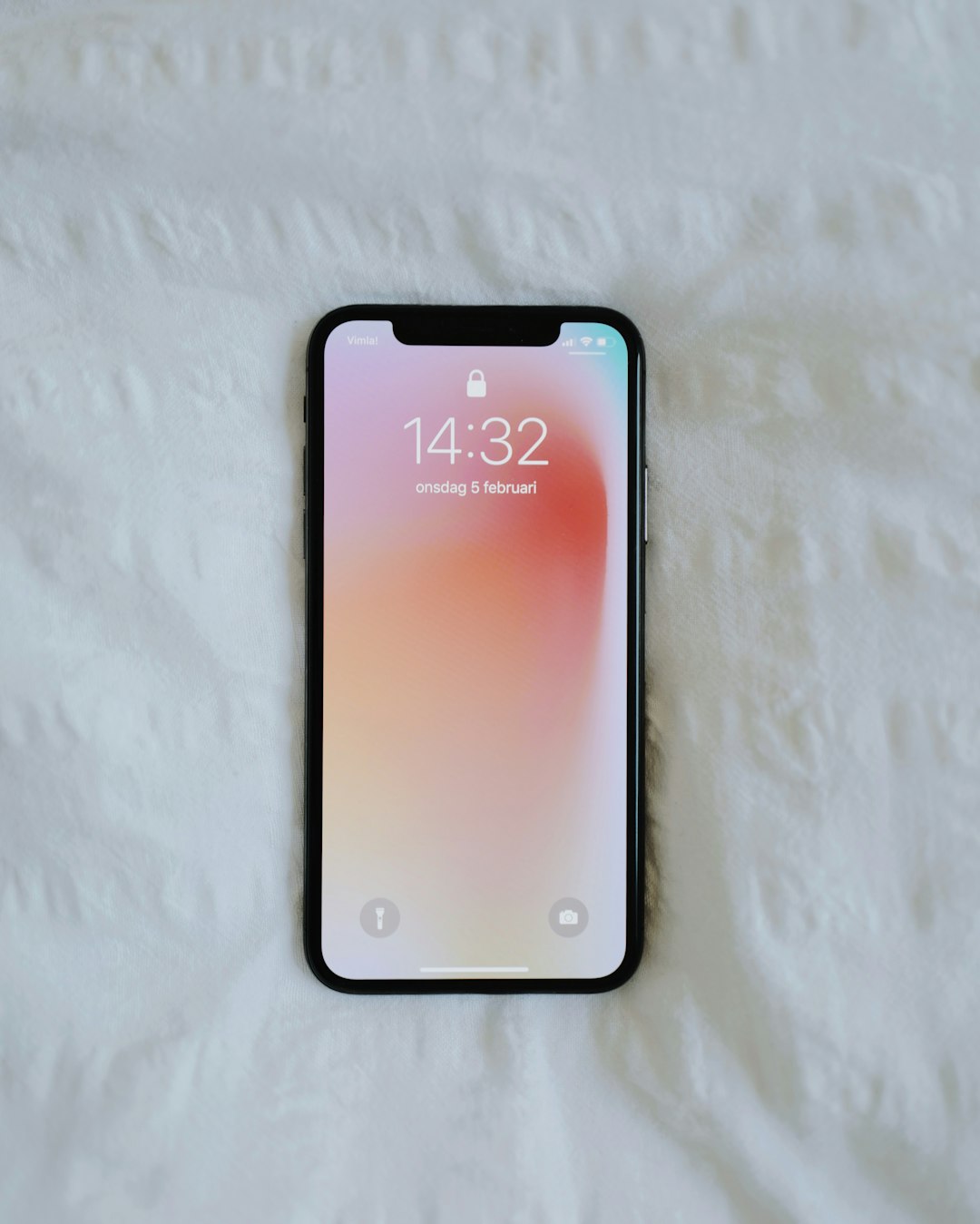
For Kentucky residents looking to combat unwanted robocalls, several top-rated apps stand out for their comprehensive features and effectiveness. One of the leading choices is TrueCall, renowned for its robust blocking capabilities and user-friendly interface. This app utilizes advanced AI algorithms to identify and block spam calls, including those from law firms and other persistent callers. With over 50 million users worldwide, TrueCall has developed an extensive database of known robocallers, ensuring a high success rate in filtering out unwanted interactions.
Another prominent option is NoCall, an app specifically designed to protect consumers from telemarketing calls and Do Not Call list violations. NoCall offers not only blocking but also call screening features, allowing users to preview and decide whether to answer incoming calls. Its intuitive settings allow customization of blocking preferences, including the ability to whitelist or blacklist specific numbers. The app has garnered positive reviews for its ease of use and successful blocking of various types of robocalls, including those from law offices attempting to solicit clients.
Reviews consistently highlight the importance of these apps in maintaining a peaceful and undisturbed environment. According to recent data, over 80% of Americans experience unwanted calls daily, leading many to turn to robocall blocker apps for respite. By employing advanced technologies like AI-powered call identification, these applications provide an effective solution, particularly for Kentucky residents who can benefit from the specialized blocking of local and national law firm robocalls, ensuring compliance with state Do Not Call laws.
Effective Strategies to Stop Unwanted Calls Permanently

In the digital age, unwanted robocalls have become a pervasive nuisance for Kentucky residents, with law firms and telemarketers exploiting loopholes to bypass traditional blocking methods. However, effective strategies exist to combat this issue permanently, offering a sense of control and peace of mind in an increasingly cluttered communication landscape. One powerful tool is the utilization of advanced call-blocking apps designed specifically for robust protection against automated calls. These applications leverage sophisticated algorithms and community-driven intelligence to identify and block robocalls with remarkable accuracy.
A key feature setting these apps apart is their ability to adapt to evolving tactics used by scammers and telemarketers. By constantly updating their databases, these apps can recognize not only known robocallers but also new, emerging patterns. For instance, many law firms attempting to comply with Kentucky's Do Not Call laws employ sophisticated dialing systems that can bypass traditional blocking methods. Yet, the best call-blocking apps incorporate machine learning capabilities, enabling them to detect and block even these sophisticated calls. This proactive approach ensures that Kentucky residents are shielded from unwanted legal or commercial solicitations, fostering a safer digital environment.
Moreover, community-based reporting systems within these apps empower users to contribute to a collective defense against robocallers. When a call is identified as spam or a potential scam, other users can confirm and report it, enhancing the app's accuracy over time. This collaborative effort mirrors the spirit of community engagement necessary to navigate the complex digital landscape. By combining cutting-edge technology with collective action, Kentucky residents can take control of their communication channels and enjoy a more secure, less intrusive digital experience.