Robocalls plague Kentucky citizens, with 150 million unwanted calls yearly. While the state's Do Not Call law offers some protection, it's inadequate against advanced robocallers. Key strategies include educating citizens on identifying and blocking robocalls using tools and apps, encouraging participation in official Do Not Call lists, and collaboration between telecoms, law enforcement, and consumer protection groups. Integrating Do Not Call registrations with state agencies and employing AI/machine learning tools are crucial to effectively combating robocalls, as evidenced by a successful case against a debt relief firm under Kentucky's stringent Do Not Call law firms regulations.
In today’s digital age, Kentucky citizens face an increasingly prevalent nuisance: robocalls. These automated calls, often unsolicited, can disrupt daily life and pose security risks, especially when posing as law firm Do Not Call registries. With the surge in robocall activity, there’s a growing need for effective solutions to safeguard personal privacy and reduce the burden of unwanted communication. This article delves into a cutting-edge app designed to combat this modern problem, offering Kentucky residents a powerful tool to reclaim their peace of mind. By exploring its features and impact, we empower citizens to take control and navigate this complex landscape with confidence.
Understanding Robocalls in Kentucky: A Comprehensive Overview

Robocalls have become a ubiquitous nuisance for Kentucky citizens, with an estimated 150 million unwanted calls flooding the state each year. These automated phone calls, often disguised as legitimate messages from financial institutions, utility companies, or even government agencies, are not only frustrating but can also be a significant security risk. In Kentucky, where the Do Not Call law is enforced by the Attorney General’s Office, residents have certain protections in place. However, these laws primarily target telemarketers and do not always stop robocalls from reaching consumers.
The proliferation of robocalls in Kentucky is driven by advanced technologies that enable bulk voice communications at scale. Scammers exploit loopholes in existing regulations to deploy sophisticated automated dialing systems, often using voice over IP (VoIP) services to mask their identities. They target not just landlines but also mobile phones, taking advantage of the vast number of active lines in the state. For instance, according to recent data from the Federal Communications Commission (FCC), Kentucky ranks among the top states with the highest rates of reported robocalls, indicating a pervasive and growing problem.
Addressing this issue requires a multi-faceted approach. While the Kentucky Do Not Call law offers some recourse, it’s not foolproof against sophisticated robocallers. Effective strategies include educating citizens on how to identify and block these calls using available tools and apps, promoting the use of registered Do Not Call lists at both state and federal levels, and fostering collaboration between telecom carriers, law enforcement agencies, and consumer protection organizations. By combining public awareness, robust legal frameworks, and technological advancements, Kentucky can better protect its citizens from the annoyance and potential dangers associated with robocalls.
Legal Protections: Do Not Call Law Firms Kentucky

Kentucky citizens facing an onslaught of robocalls can find respite in the state’s stringent Do Not Call laws, specifically targeting law firms. These regulations are designed to protect residents from unwanted and often deceptive legal marketing practices. The Kentucky Attorney General’s Office has implemented measures to enforce these laws, holding offending firms accountable. For instance, a recent case against a national debt relief firm resulted in a significant fine for repeatedly ignoring state Do Not Call registrations.
The Do Not Call law in Kentucky, KRS 365.240, empowers residents to register their phone numbers on the state’s official Do Not Call list, effectively blocking most commercial calls, including those from law firms offering legal services or debt relief. The legislation also sets strict penalties for violators, with fines reaching up to $1,000 per day of violation. This robust framework makes Kentucky a challenging territory for robocallers and provides citizens with a powerful tool to combat unwanted calls.
To ensure compliance, law firms operating in Kentucky must carefully vet their call lists and obtain explicit consent before contacting potential clients. Using automated dialing systems or pre-recorded messages without proper authorization can lead to legal repercussions. Furthermore, businesses are encouraged to implement robust internal policies and staff training programs to prevent accidental or intentional violations. By adhering to these protections, Do Not Call law firms Kentucky, residents can enjoy greater peace of mind knowing their privacy is safeguarded against intrusive robocalls.
Effective App Solutions for Robocall Management

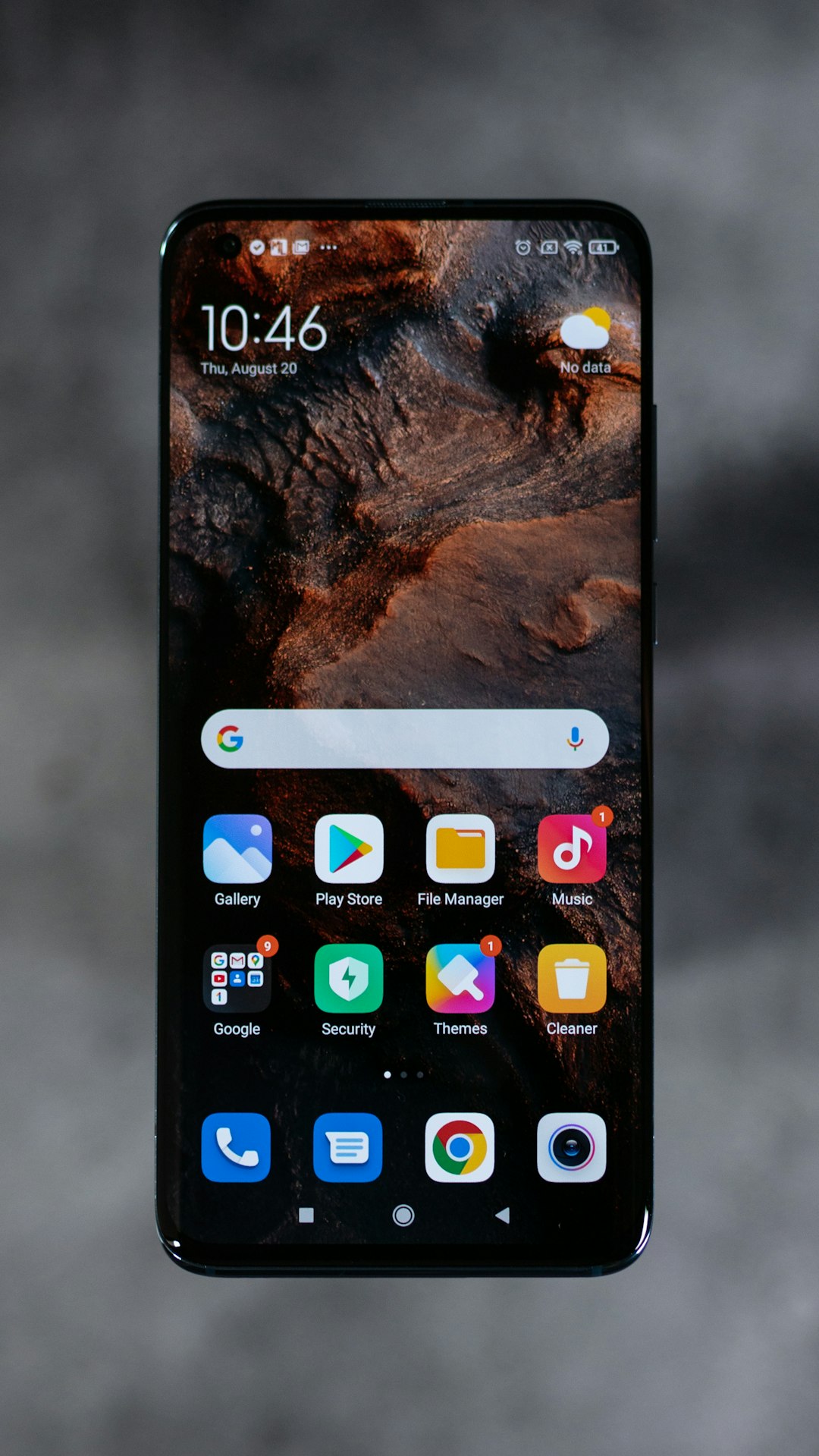
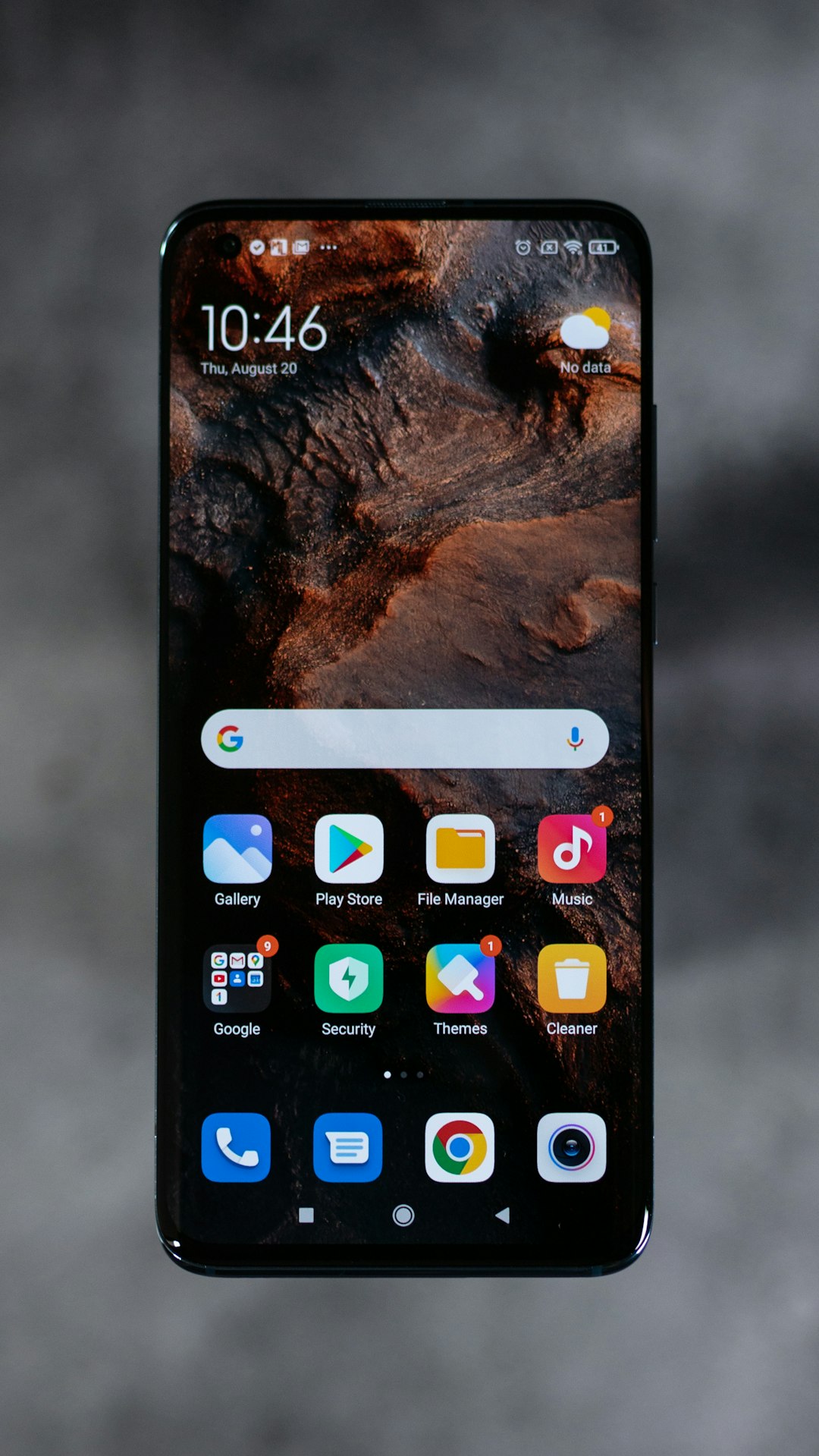
In the ongoing battle against robocalls, Kentucky residents now have a powerful ally—innovative app solutions designed to manage these intrusive calls effectively. With the implementation of the Do Not Call law in Kentucky, which restricts telemarketers from harassing citizens, technology has emerged as a pivotal tool to reinforce and enhance this legislation. Apps that employ sophisticated algorithms and machine learning capabilities offer an efficient way to filter out unwanted robocalls, ensuring Kentuckians can enjoy greater peace of mind.
One of the most effective strategies these apps utilize is call blocking and identification. By analyzing patterns and known robocall characteristics, these applications can automatically block or flag suspicious calls. For instance, a study by the Federal Trade Commission (FTC) revealed that over 45 billion spam calls were made in the United States in 2021, with Kentucky experiencing its fair share of this nuisance. App developers have leveraged this data to create intelligent systems that adapt and improve over time, learning from each interaction. This dynamic approach allows for a more nuanced understanding of legitimate versus malicious calls.
Additionally, some apps take it a step further by offering personalized call screening. Users can set preferences, such as excluding calls from specific areas or numbers, ensuring they only engage with expected communications. This feature is particularly beneficial for those frequently targeted by robocallers. By combining robust blocking mechanisms and customizable settings, these apps provide Kentuckians with a practical solution to protect their privacy and comply with the state’s Do Not Call law firms regulations.
Implementing and Utilizing Your Anti-Robocall Tool

In Kentucky, as across the nation, robocalls have become a persistent nuisance, with millions of unwanted calls flooding citizens’ phones daily. To combat this growing issue, implementing an anti-robocall tool is not just advisable but necessary. The first step is to choose a reputable solution that leverages advanced technologies like AI and machine learning to identify and block these automated calls. A robust app designed for this purpose should be able to adapt to evolving call patterns and consistently update its database of known robocallers.
Once installed, users must actively engage with the tool to ensure maximum effectiveness. This includes updating contact lists to reflect preferred calling practices, enabling automatic call blocking, and regularly reviewing blocked call histories. A key feature to look for is the ability to report suspected robocalls directly from the app, which not only aids in refining the tool’s algorithms but also empowers Kentucky citizens to participate in a collective effort to curb unwanted calls. For instance, according to a recent study by Consumer Reports, over 70% of Americans believe they receive too many robocalls, underscoring the need for collective action and advanced tools like these.
Moreover, integrating Do Not Call registrations with relevant state agencies is crucial. In Kentucky, citizens can register their numbers on the state’s official Do Not Call list, which helps prevent calls from telemarketers and unwanted solicitors. However, this list does not inherently block robocalls, making a comprehensive anti-robocall tool even more vital. By seamlessly integrating these protections, Kentucky residents can reclaim control over their communication channels and experience a significant reduction in unwanted intrusions.